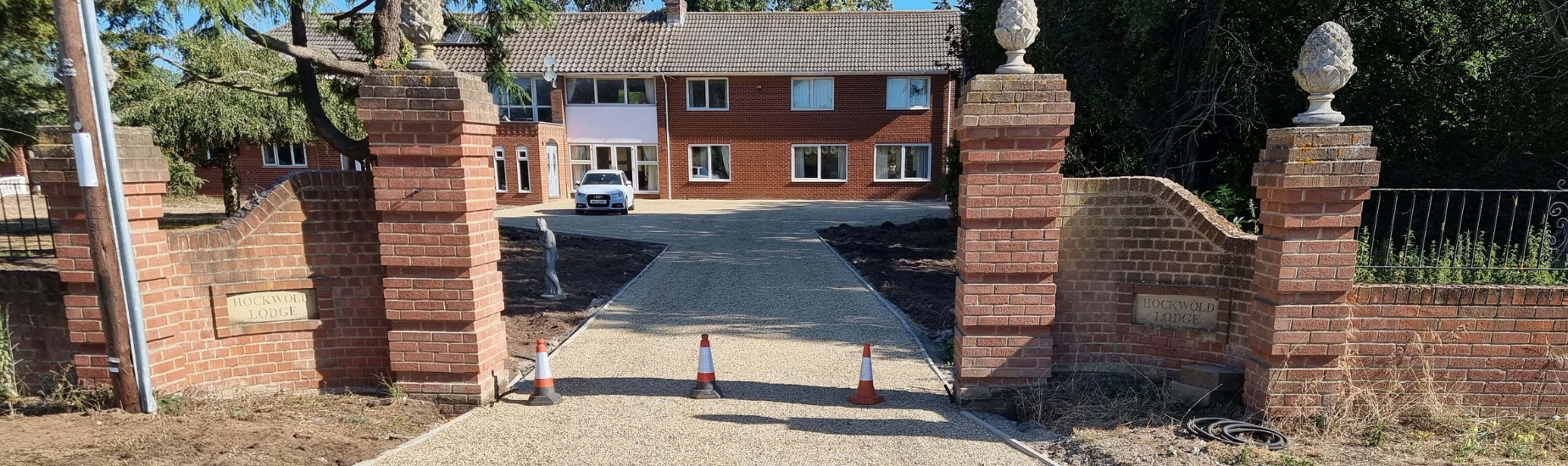
Tarmac Paths and Patios: Creating Practical and Attractive Outdoor Spaces
A well-designed outdoor space can make a property more functional, accessible and enjoyable. Whether you want a clear path between your garden and entrance or a practical patio for relaxing outdoors, choosing the right surface is an important part of the project. Tarmac is a versatile option that can provide a smooth, continuous finish for paths and selected patio areas.
For homeowners in Lakenheath, Suffolk, tarmac surfacing offers a practical way to create outdoor areas that are straightforward to use and maintain. However, achieving a durable, attractive result depends on careful planning, suitable groundwork and effective drainage. Understanding these factors can help you decide whether tarmac is right for your garden.
Why Choose Tarmac for Paths and Patios?
Tarmac is made from aggregate bound together with a bituminous material, creating a firm surface when correctly laid and compacted. Although often associated with driveways and roads, it can also be used for garden paths, access routes and practical patio spaces.
One of its main advantages is its smooth, continuous finish. Unlike surfaces made from individual paving units, tarmac does not have multiple joints across the main surface, making it convenient for everyday walking and movement.
Tarmac can also complement a range of outdoor layouts. It may suit a straightforward path leading to a garden entrance, a route connecting different areas of the property or a functional seating space where a simple, hard-wearing surface is preferred.
The best choice depends on how the space will be used, the appearance you want to achieve and the conditions of your garden.
Designing a Practical Tarmac Path
A garden path should provide a convenient route between key areas of the property. Before installation, consider where people regularly walk and how the path will connect entrances, gates, patios and other outdoor features.
The width should allow comfortable movement without making the route unnecessarily large for the available space. If the path will be used to move garden equipment or wheeled items, additional clearance may be useful.
The route itself also matters. A clearly planned path can make a garden easier to navigate while helping reduce wear on lawns and planted areas. Curved or angled layouts may be suitable where they follow the natural shape of the garden, provided the route remains practical.
A professional assessment can help establish appropriate levels, dimensions and groundwork requirements before the surface is laid.
Creating an Attractive Tarmac Patio
A tarmac patio can provide a functional base for outdoor seating, dining furniture or other garden activities. Its simple appearance works particularly well where practicality is the priority, although careful design is important to ensure the finished space feels integrated with the rest of the garden.
Consider how the patio will connect with the house, garden paths and surrounding landscaping. Borders, planting beds and suitable edging can help define the area and soften the appearance of the dark surface.
Furniture placement should also influence the layout. Allow enough space to move around tables and chairs comfortably, and consider how people will access the patio from the property.
Tarmac may not provide the decorative texture of natural stone or patterned paving, so homeowners should weigh its straightforward finish against the overall look they want for their outdoor space.
The Importance of Ground Preparation
The durability of a tarmac path or patio depends heavily on what lies beneath the finished surface. If the ground is unstable or the supporting base is poorly prepared, the surface may develop dips, cracks or uneven areas.
Preparation usually involves assessing the existing ground, removing unsuitable material where necessary and installing an appropriate sub-base. The base must be properly compacted to provide stable support and help distribute everyday loads.
The construction method should reflect the ground conditions and intended use of the area. A pedestrian path may have different requirements from a patio that will support heavier garden furniture or occasional equipment.
Taking the time to prepare the site properly helps reduce the likelihood of premature deterioration and supports a more consistent finish.
Drainage and Surface Levels
Outdoor surfaces must be designed to manage rainwater effectively. If water collects in low spots, it can make paths slippery and leave patio areas unpleasant to use. Persistent standing water may also contribute to deterioration over time.
Correct levels and suitable gradients help direct water towards appropriate drainage areas rather than allowing it to pool against the property or across the surface.
In Lakenheath, Suffolk, drainage should be considered before installation begins, taking account of the existing garden levels, nearby buildings and the intended layout.
A professional installer can assess the site and plan the surface accordingly, helping create an outdoor area that remains practical during wet weather.
Maintaining Tarmac Paths and Patios
Tarmac is relatively straightforward to maintain, but regular care helps preserve its appearance and condition.
Sweep away leaves, soil and loose debris, and deal with spills promptly using methods appropriate for the surface. Check the edges and main walking areas periodically for cracks, depressions or signs of movement.
Weeds may appear around the edges if gaps develop, so keeping borders tidy can help maintain a neat finish. If damage or recurring water accumulation becomes noticeable, professional advice can help identify the cause and determine whether repairs are needed.
Good maintenance, combined with proper installation, can help keep paths and patios functional for longer.
Professional Tarmac Surfacing in Lakenheath, Suffolk
Planning a new path or patio involves more than choosing a surface. The layout, ground conditions, drainage and intended use all influence the finished result.
Lakenheath Driveway Services can help homeowners in Lakenheath, Suffolk, explore tarmac surfacing for practical outdoor spaces. Whether you need a garden path, a simple patio or a connected route around your property, careful planning and suitable installation can help create a surface that meets your requirements.
Contact Lakenheath Driveway Services to discuss your project and arrange a consultation for your outdoor space.
Conclusion
Tarmac paths and patios can provide smooth, practical surfaces that make gardens easier to access and use. Their long-term performance depends on suitable groundwork, effective drainage, thoughtful design and regular maintenance.
For homeowners in Lakenheath, Suffolk, choosing the right layout and ensuring the surface is installed correctly can help create an outdoor space that is both functional and attractive. Lakenheath Driveway Services can help you assess your requirements and plan a tarmac surface suited to your property.
Call us on: 01842 778 593
Click here to find out more about Lakenheath Driveway Services
Click here to complete our contact form and see how we can help with your driveway needs.